Wool is a naturally resilient fiber used in bedding for its ability to help regulate temperature and manage moisture. Its structure can support airflow while providing cushioning, making wool relevant to pillows and other sleep products. Understanding these characteristics helps explain how wool bedding may contribute to a comfortable sleep environment across changing seasons.
Wool fibers can absorb moisture vapor and release it into the surrounding air, which may help bedding feel less clammy during sleep. Their natural crimp also creates loft and gentle support. These properties make wool a useful material to consider when comparing pillows, sheets, and other bedding components for comfort and breathability.
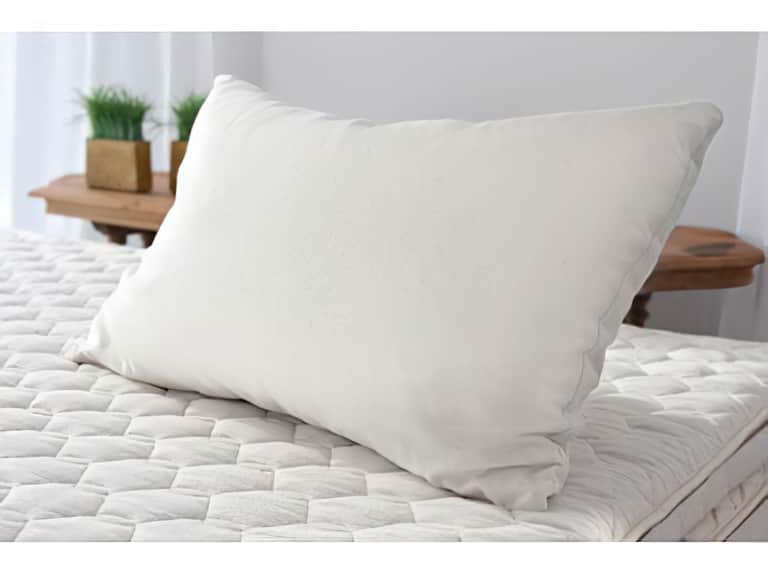
The Savvy Rest Wool Pillow combines wool fill with a supportive, shapeable feel. Wool’s springy fibers can provide cushioning while allowing the pillow to be adjusted through gentle fluffing and redistribution. This design may suit sleepers seeking a natural-fiber pillow with temperature and moisture management characteristics rather than a fixed, uniform cushion.
When evaluating a wool pillow, consider its loft, firmness, cover materials, and care instructions, since these details affect support and everyday use. Wool may compress gradually and benefit from periodic airing or fluffing. Individual comfort also depends on sleeping position, shoulder width, and preferred neck alignment, so material characteristics are only part of pillow selection.
Wool bedding is distinct from organic mattresses and organic crib mattresses, though these products may share an interest in natural materials. For a coordinated sleep setup, compare fiber content, construction, and maintenance across pillows, sheets, and mattresses. Clear product specifications help households understand how each item functions and whether its materials suit their needs.
 Bedding