Sleep & Mattress Guide
Naturepedic Halcyon Explained: Materials, Firmness, and Who It May Suit
A mattress can look beautifully considered on paper and still feel wrong in your bedroom. With the Naturepedic Halcyon collection, the useful questions are not simply whether it is organic or luxurious, but how a particular configuration is built, how its firmness may feel to you, and whether its care requirements work for your home and routine.
Published October 19, 2026
Choosing an organic mattress is part materials research, part comfort experiment. Labels can tell you something about what goes into a sleep surface, but they cannot tell you exactly how your shoulders will feel at 2 a.m. or whether a mattress will suit two people with very different preferences. That is why a thoughtful comparison of Naturepedic Halcyon options should begin with construction details and end with your own experience—not with the assumption that a particular material or firmness is universally best.
This guide offers a practical way to evaluate the Halcyon collection: what to look for in product specifications, how materials can affect feel and care, why firmness is more personal than a label suggests, and what questions to ask before making a decision. Collection details and available configurations can change, so use the current product listing and manufacturer information to confirm the specifications for the exact model you are considering.
First, what does “Halcyon” tell you?
Naturepedic Halcyon is a collection name, not a complete description of one uniform mattress. A collection may include different models or configurations, and those variations can affect materials, surface feel, support, dimensions, and care. The word “organic” also needs context: it may apply to specific materials or components, rather than automatically describing every part of a finished mattress in the same way.
Before comparing a Halcyon mattress with another organic mattress, identify the exact model name and configuration. Then read the specifications for that particular version. Look for a clear breakdown of the comfort layers, support core, cover, quilting, and any other components. If a listing uses broad descriptions—such as “natural,” “organic,” or “premium”—without naming the material or explaining where it is used, treat that as a cue to seek more detail rather than as a complete answer.
Certification language deserves the same careful reading. Check which component a certification applies to, what organization issued it, and whether the documentation is available for the model in question. A certification can provide useful information about defined standards, but it does not establish that a mattress will feel comfortable, last a specific number of years, or meet every person’s preferences.
Materials: a closer look than the label
Mattress materials influence more than a shopping-page headline. Their arrangement, thickness, density, and interaction with the rest of the bed all contribute to the experience. When you review Halcyon materials, focus on what each layer is designed to do and how the complete construction may feel.
Comfort layers and pressure relief
The upper layers are where the body first meets the mattress. They can affect the sense of softness, cushioning, and pressure relief around areas such as the shoulders and hips. A more yielding surface may feel welcoming to someone who wants extra cushioning, while a firmer-feeling top can suit someone who prefers less sink. But a soft surface is not automatically supportive, and a firm one is not automatically better for alignment. The relationship between the top layers and the support system beneath them matters.
The support structure
Below the comfort layers, the mattress’s support construction helps determine how the body is held across the sleep surface. Ask what the core is made from and how the manufacturer describes its role. If the model includes multiple layers or components, find out whether they can be rearranged, exchanged, or customized—and what conditions apply. Avoid assuming that a feature offered by one mattress in a brand’s broader range is also available in every Halcyon model.
Cover, quilting, and the first impression
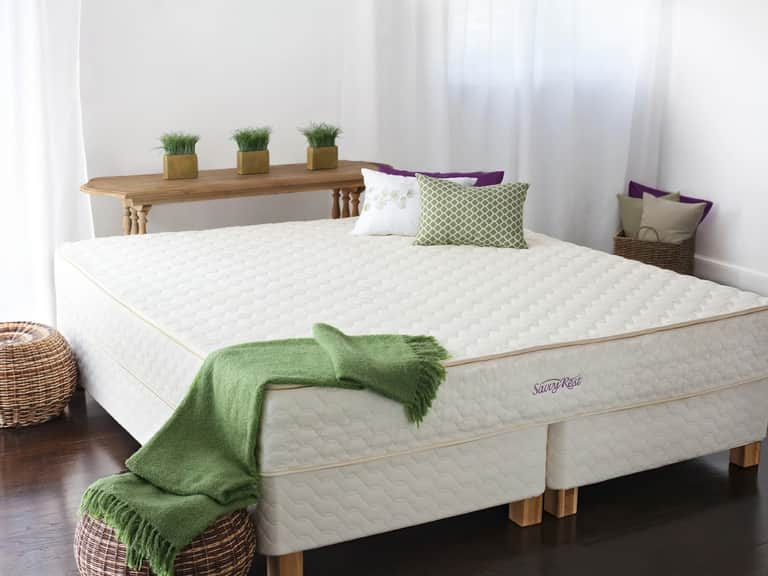
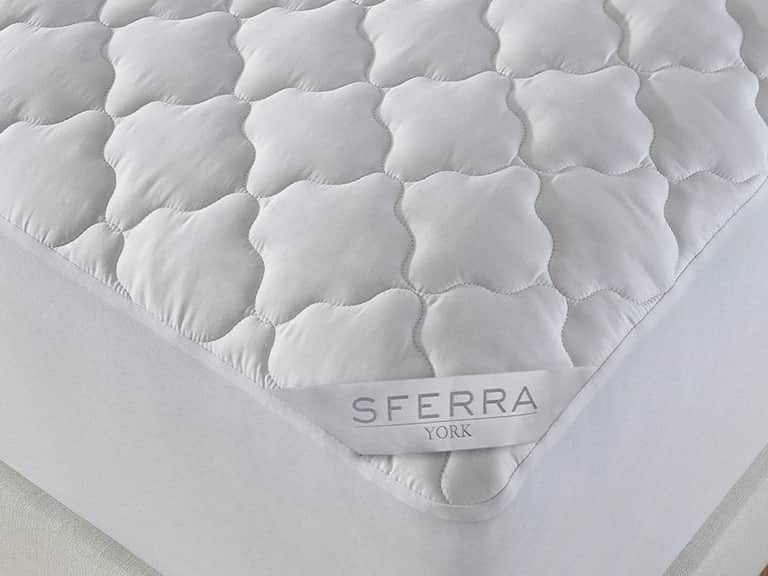
The cover and any quilted materials contribute to the initial feel against the body. They can also influence breathability, texture, and the way the comfort layers respond. A quilted surface may feel different from a flatter cover, even when two mattresses have similar support cores. If you are sensitive to texture or warmth, include the cover in your comparison instead of treating it as a decorative detail.
Materials also come with practical considerations. Some components may require spot cleaning or careful protection; others may have specific guidance around moisture, heat, or direct sunlight. Check the care instructions before you buy. A mattress that suits your preferences but requires a maintenance routine you cannot realistically follow may not be the right fit for everyday life.
Firmness is personal—and the number is only a starting point
Firmness descriptions are helpful shorthand, not universal measurements. A mattress called “medium” by one maker may feel firmer or softer than another brand’s medium. Even within a single collection, the construction and surface layers can make two options with similar labels feel noticeably different.
Your experience can be influenced by your body shape, weight distribution, usual sleep position, preferred pillow height, and the base beneath the mattress. A person who sleeps mostly on their side may prioritize cushioning at the shoulder and hip. Someone who spends most of the night on their back may look for a balanced feel that lets the body settle while still feeling supported. Stomach sleepers often have different comfort priorities and may prefer less sink, though individual needs vary.
These are useful patterns, not rigid rules. People change positions during the night, and a mattress that feels supportive in one position may feel different in another. If you have recurring discomfort or a health condition that affects sleep, a mattress guide is not a substitute for advice from a qualified health professional.
A practical firmness check
When testing a mattress in a showroom, give yourself enough time to settle in your usual position. Notice whether pressure builds around your shoulders, hips, or knees. Pay attention to whether you feel comfortably supported or as if you are fighting the surface to find a relaxed position. Try changing positions instead of relying on a quick sit or a brief press of the hand.
At home, follow the manufacturer’s trial and return terms closely. Check how long you need to keep the mattress before starting a return or exchange, whether any fees apply, and whether the foundation or other conditions affect eligibility. A comfort policy is only useful if you understand its terms before the delivery arrives.
What different sleepers may want to consider
There is no single sleeper profile that automatically points to a Halcyon configuration. Instead, use your routine and preferences as a filter for the models available.
- Side sleepers: Consider how much cushioning the upper layers provide at the shoulder and hip. A mattress that feels too firm at those contact points may not be comfortable, while excessive sink may not match your preference for a more level feel.
- Back sleepers: Compare the balance of surface comfort and underlying support. Notice whether the mattress feels even from shoulders through hips and whether you can relax without a pronounced sensation of sinking.
- Stomach sleepers: Pay close attention to how your midsection feels on the surface and whether the mattress allows more sinking than you prefer. Try the mattress in your real sleep position and confirm the maker’s firmness descriptions for the exact model.
- Combination sleepers: Consider ease of movement as well as cushioning. If you turn frequently, note whether the surface feels responsive enough for you to reposition comfortably.
- People sharing a bed: Compare preferences separately before trying to find a compromise. Ask whether the model offers any form of side-specific configuration, and confirm that option in writing for the size and model you are considering.
These categories can help organize a comparison, but they should not be treated as medical prescriptions. The best guide is a combination of your own comfort, the complete mattress construction, and the return or adjustment terms available to you.
For couples: make the comparison a two-person conversation
A shared mattress has to work in a shared bedroom, but that does not mean both people need identical preferences. One person may want a more cushioned surface; the other may prefer a firmer, more buoyant feel. Before comparing options, each sleeper can rank what matters most: pressure relief, a stable surface, responsiveness, temperature comfort, or the ability to customize different sides.
During a showroom visit, take turns testing the mattress rather than letting one person’s first impression settle the decision. Lie down together when possible, and notice whether movement from one side is distracting. Ask the retailer how the exact configuration is built and whether there are meaningful differences between sides. If the mattress does not offer separate settings, find out what compromise the available construction represents.
It is also worth checking the practical details together: delivery access, room dimensions, old-mattress removal, setup, trial conditions, and warranty coverage. In New York City, narrow stairwells, elevators, and apartment rules can matter as much as a spec sheet. Confirm delivery requirements before purchase so a promising choice does not become a logistical surprise.
A checklist for comparing Halcyon configurations
Rather than trying to remember every detail while browsing, keep a short comparison sheet. Record the exact model name and the information that applies to that version—not just to the collection as a whole.
- Model and size: Write down the full model name, mattress height, and available dimensions.
- Layer details: Note the materials used in the comfort layers, support system, cover, and quilting.
- Firmness description: Record the manufacturer’s wording and your own in-person impression separately.
- Customization: Confirm whether layers, firmness, or individual sides can be adjusted, and ask about any fees or limits.
- Certifications: Check which specific materials or components are certified and where to find supporting documentation.
- Care instructions: Find out how to clean the cover or mattress and what to do about spills or stains.
- Foundation compatibility: Confirm which bed bases are recommended and whether an existing frame meets those requirements.
- Trial and warranty: Read the terms, including exclusions, timing requirements, and who to contact with a concern.
- Delivery details: Check delivery access, setup options, scheduling, and any costs that may apply.
Questions worth asking before you decide
A good product conversation should make the details clearer, not leave you with more adjectives. Bring specific questions to a retailer or the manufacturer, and ask for answers that apply to the exact Halcyon model you are considering.
- What materials are used in each layer of this exact configuration?
- Which materials are certified, and what parts of the finished mattress do those certifications cover?
- How does the manufacturer describe the firmness, and can I try this exact version?
- Can the mattress be customized or adjusted after delivery? If so, what are the requirements and costs?
- Does this model have different firmness options for each side of a shared bed?
- What kind of foundation is recommended, and can I use my current bed frame?
- How should the mattress be cleaned and protected, and what care could affect the warranty?
- What are the precise trial, exchange, return, delivery, and warranty terms?
Organic materials and sleep comfort are related—but not interchangeable
For many shoppers, material sourcing is an important part of choosing an organic mattress. It can be a meaningful consideration alongside construction, durability, and comfort. But a mattress’s material story does not predict whether it will suit your body. A preference for natural or certified materials should sit alongside a clear understanding of firmness, support, and the practical experience of sleeping on the product.
It is equally sensible to separate environmental or sourcing questions from health claims. Ask for specific, verifiable information about components and certifications, and be cautious of sweeping promises. A mattress can be a part of a comfortable sleep setting, but no material description alone guarantees better sleep or resolves a medical issue.
Think of the decision as a series of checks: Is the construction clear? Do the materials align with your priorities? Does the firmness feel comfortable in your normal sleep positions? Can you care for it as directed? Are the trial, delivery, and warranty terms workable? When those answers line up, you have a much stronger basis for choosing than a label or a star rating can provide.
The bottom line on Naturepedic Halcyon
The most helpful way to explore Naturepedic Halcyon is to treat it as a set of specific mattress choices rather than one guaranteed feel. Verify the construction and certifications for the exact model, compare its firmness with your own preferences, and consider how the bed will work for every person who shares it. Then give the practical details—the care instructions, foundation requirements, trial policy, delivery logistics, and warranty—equal attention.
For New Yorkers, where bedrooms can be compact and deliveries may involve a little urban choreography, planning ahead matters. Measure the space and access route, check what setup is included, and confirm that your frame is suitable. A calm, informed decision is more useful than chasing a universal “best” mattress: the right configuration is the one whose documented materials, feel, and terms make sense for your needs.
Ultimately, the best comparison combines careful reading with a real comfort test. Materials explain what a mattress is made from; firmness descriptions offer a starting point; your own experience tells you whether the two come together in a way that feels right.