Sleep & Bedding
Dunlop Latex Mattress Basics: How the Material Feels and Performs
A Dunlop latex mattress can feel buoyant, steady, and reassuringly substantial—but the material alone doesn’t tell the whole story. Firmness, thickness, mattress layers, and the base beneath the bed all help shape the night-to-night experience.
Published November 21, 2026
Some mattresses invite you to sink in; others seem to meet you with a little spring. Dunlop latex tends to belong to the second camp. It is used in mattress cores and comfort layers for its resilient, responsive feel, but no two latex beds are automatically alike. The design around the material matters just as much as the name on the label.
For anyone comparing natural latex organic mattresses, it helps to look beyond broad promises about comfort or sustainability. Ask what the mattress is made of, how its layers are arranged, how firm it is, what support it needs, and what care the maker recommends. Those practical details can make a more useful comparison than a material name on its own.
This guide explains how Dunlop latex is commonly made, what it may feel like, how construction affects support and airflow, and what to check before bringing one home. It is a material primer, not a medical recommendation: comfort is personal, and a mattress cannot diagnose or treat a health condition.
What is Dunlop latex?
Latex used in mattresses is made from natural rubber, synthetic materials, or a blend. Natural latex begins as sap collected from rubber trees. In a Dunlop process, liquid latex is aerated, poured into a mold, and heated so it sets into a resilient foam. The exact formulation and manufacturing steps vary by producer, so “Dunlop” describes a type of latex-making process rather than a complete guarantee about a mattress’s ingredients.
That distinction matters. A mattress advertised as latex may use natural latex, synthetic latex, or a combination; it may also include other materials in its cover, quilting, or comfort layers. If natural content, organic sourcing, or the absence of specific substances matters to you, read the full materials description and look for clearly identified certifications. Terms such as “natural” and “organic” should not be treated as interchangeable.
Dunlop is often compared with Talalay latex, another production method. At a broad level, Dunlop latex is commonly described as feeling denser or more substantial, while Talalay may feel lighter and more uniform. These are useful starting points, not rules that predict every mattress. Formulation, firmness, thickness, quilting, and the other layers can change what you feel when you lie down.
The feel: responsive, not necessarily firm
“Latex feel” is often shorthand for a springy response. When pressure is applied, the material compresses and then rebounds rather than holding a deep impression in the same way some slower-responding foams do. That buoyancy can make changing positions feel relatively easy. It may also feel different from a plush surface that gently cradles the body.
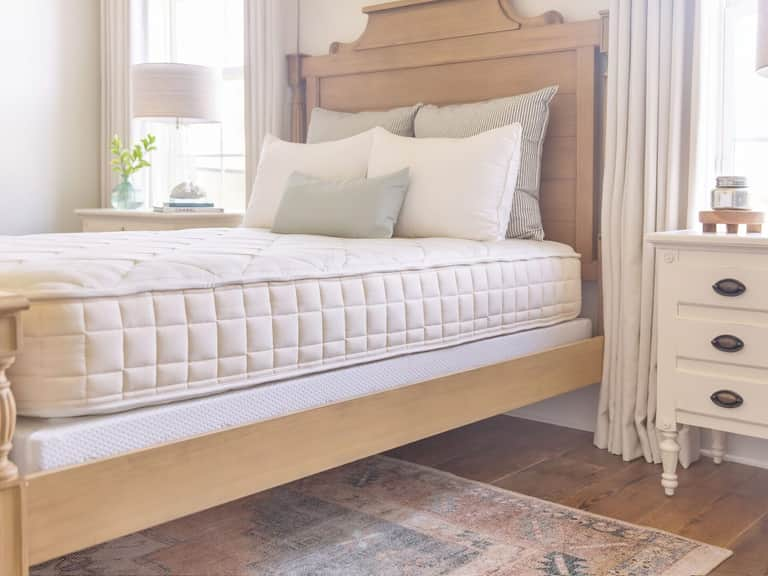
But resilient does not mean hard, and Dunlop does not automatically mean firm. A latex mattress can be offered in different firmnesses, and its surface feel depends on the full build. A softer top layer over a firmer core can feel quite different from a single firm latex slab. A quilted cover may add a little cushioning; a thin, tightly constructed cover may let the latex response come through more directly.
People also bring different bodies and preferences to the same bed. Body weight, sleeping position, shoulder and hip shape, and personal comfort expectations can influence whether a mattress feels plush, balanced, or too rigid. Someone who sleeps mostly on their side may look for enough cushioning around pressure points, while a back or stomach sleeper may prefer a more level, supportive surface. These are common preferences, not universal prescriptions.
When possible, try a mattress in the position you usually sleep in and give yourself more than a quick sit at the edge. Notice whether your shoulders and hips feel comfortably supported, whether your lower back feels at ease, and whether turning over is natural. If testing in person is not practical, check the trial, exchange, and return terms before ordering; the adjustment period and conditions differ by seller.
Support comes from the whole construction
A mattress’s support is not simply a matter of whether its material is firm. Thickness, layer arrangement, and the foundation beneath it all contribute to the way the bed performs. In an all-latex design, a thicker core or multiple latex layers may be arranged to create different combinations of cushioning and stability. In other mattresses, latex may be one layer among several materials.
Look for a clear layer description rather than relying on a single adjective. How many layers are included? What is each layer made from? Is the latex a comfort layer, a support core, or both? Does the listed firmness apply to the whole mattress or to one layer? Answers help distinguish two products that might otherwise sound similar in a short description.
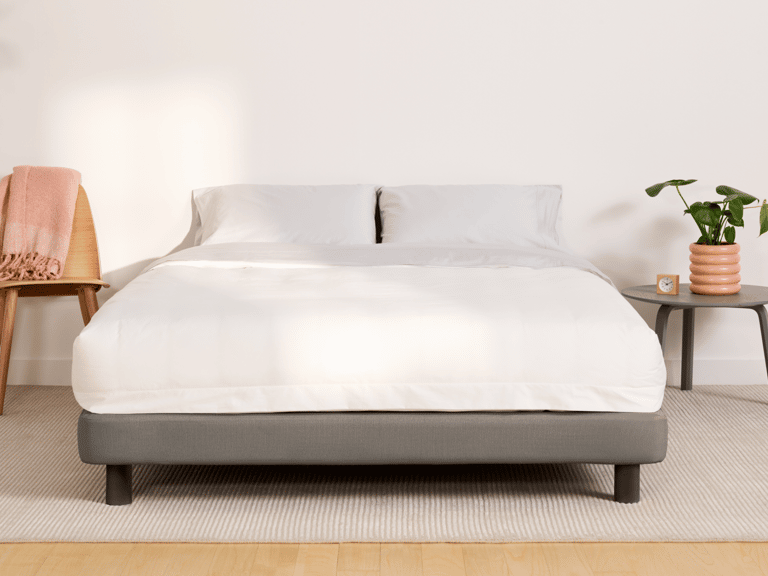
Also check the recommended base. Many latex mattresses require a supportive, level foundation that allows adequate ventilation, but requirements vary. Slatted bases may have specific rules about slat spacing, center support, or bed size. A surface that is bowed, uneven, or too widely spaced can affect how a mattress sits. Follow the manufacturer’s instructions to help preserve the intended support and avoid problems with warranty coverage.
For New Yorkers, the bed frame deserves a little extra attention. In a compact apartment, a mattress may need to fit a narrow staircase, tight doorway, elevator, or small bedroom. Measure not only the room but also the route from the building entrance to the bedroom. Confirm the mattress’s delivery format and dimensions, then make sure the frame or platform is compatible before arranging delivery.
Airflow and temperature: useful questions, not promises
Latex is often valued for an open, responsive structure, and the way a mattress is built can leave pathways for air to move through its layers. Still, the temperature a sleeper experiences depends on more than the core material. The cover, quilting, sheets, room temperature, humidity, and personal sleep habits all play a part.
If you tend to sleep warm, investigate the whole sleep surface. Ask what the cover and any quilted layers contain, whether the design uses breathable materials, and whether a waterproof protector might affect the feel. A protector can be useful for keeping a mattress clean, but different fabrics and constructions may change how air and moisture move. The same is true of heavy blankets and tightly woven bedding.
In a city apartment, summer heat and humidity can be part of the bedroom equation. Keep the room ventilated when possible, choose bedding suited to the season, and use climate controls safely and sensibly. A mattress can contribute to comfort, but it cannot compensate for every source of heat in a room.
Natural, organic, and certified: read the fine print
Shoppers searching for natural latex organic mattresses may be drawn to descriptions of rubber-tree latex, organic textiles, or chemical-conscious construction. Those claims refer to different things. The latex may be natural while the cover contains a separate fiber; a mattress may have an organic component without every material being certified organic. Certification scope can vary, too.
Before deciding, check the exact product documentation. Identify the latex type, cover fabric, adhesives or other components if disclosed, and any certifications the maker lists. Confirm which parts of the mattress each certification applies to. If a particular substance or manufacturing practice is a concern, ask a precise question and request a written answer rather than relying on vague terms such as “clean” or “eco-friendly.”
Be equally careful with sweeping health claims. Material choice can be a personal priority, but a mattress should not be presented as a cure for pain, allergies, or another health condition. If sleep discomfort is persistent, severe, or affecting daily life, consider speaking with a qualified healthcare professional rather than expecting a change of mattress to solve it.
Dunlop latex mattress care: the basics
A few steady habits can help keep a mattress clean and supported. First, follow the maker’s care guide, since latex, covers, and internal constructions differ. Many mattresses are not designed to be machine washed, soaked, or exposed to direct heat. Never unzip or remove a cover unless the manufacturer says it is removable and explains how to clean it.
- Use the right base. Keep the mattress on the type of foundation specified by the manufacturer, with the required center support and slat spacing.
- Protect the surface. A washable mattress protector can help shield against spills and everyday soil. Check that it fits the mattress depth and suits your comfort preferences.
- Clean carefully. For a spot or spill, consult the care instructions first. Avoid soaking the mattress, using harsh cleaners, or applying heat unless the maker specifically recommends it.
- Rotate only when advised. Some mattresses are designed to rotate; others have a defined top and bottom or are not meant to be turned. Follow the product guidance rather than assuming it is reversible.
- Give it room to breathe. Avoid blocking ventilation beneath a mattress if the manufacturer calls for airflow. Keep the bed area reasonably dry and address spills promptly.
- Check the warranty conditions. Keep proof of purchase and review the rules for foundations, stains, impressions, and handling. Warranty coverage is not the same as a comfort trial.
Latex is known for resilience, but no material is immune to wear. How a mattress ages depends on its construction, use, support, and care. If you notice a change in comfort, first check that the foundation is still level and stable and that the mattress is being used as directed.
A practical checklist for comparing Dunlop latex beds
Shopping gets easier when the questions are specific. Compare product details side by side and make a note of what is confirmed, what is unclear, and what matters most to your household.
- Materials: Is the latex natural, synthetic, blended, or described in another way? What are the cover and other layers made from?
- Construction: How thick is the mattress? How many layers are there, and what does each one do?
- Firmness: Is there a stated firmness scale or description? Can you test the mattress or use a clearly explained home trial?
- Sleep position: Does the feel suit your usual position and comfort preferences? If you share a bed, will both sleepers find it workable?
- Temperature: What are the cover and quilting made of? Are there care or bedding suggestions for warm sleepers?
- Foundation: What base is required, and will your existing frame meet those specifications?
- Care: Is the cover removable? What should you do for spills, and are rotation or flipping recommended?
- Delivery: How will the mattress enter your home, and can it pass through the hallways, stairs, and doorways?
- Policies: What are the return or exchange window, fees, warranty terms, and conditions for using the mattress during a trial?
- Certifications: Which materials are covered, and can the seller explain the scope of each certification?
The bottom line on Dunlop latex
Dunlop latex gives mattress designers a resilient material that can feel buoyant and substantial, but the word “Dunlop” does not settle the question of comfort. Firmness, thickness, layers, fabric, foundation, and personal preference all shape how a particular bed feels. A thoughtful comparison starts with those details—not with the assumption that one material is automatically right for everyone.
For a clearer picture, ask for a full materials breakdown, check the foundation requirements, and understand the care and trial policies before you commit. That measured approach is especially useful when shopping online or navigating a small apartment where delivery and setup take planning. The right mattress is not the one with the most impressive label; it is the one whose construction, feel, and practical requirements suit the sleeper and the room.