 Mattresses
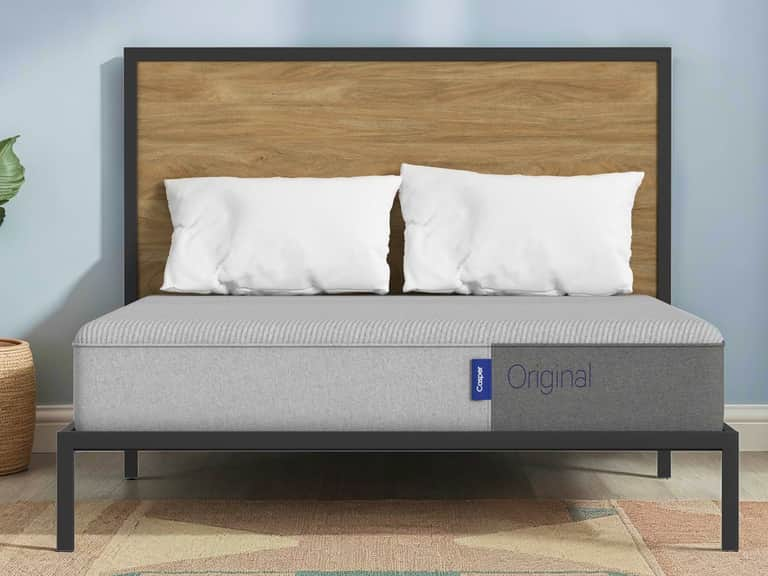
Original Mattress
Sleep cooler and cradled by responsive foam that contours to you, while three ergonomic zones keep your spine aligned for balanced, all-night support and effortless movement.
Foam mattresses are a foundational option in modern sleep ergonomics, offering uniform support and contouring to individual body shapes. They typically use memory foam or polyfoam layers to reduce pressure points, dampen motion transfer, and maintain a stable sleeping surface. Understanding density, density grades, and indentation force deflection (IFD) helps evaluate comfort and durability for different sleep styles.
In the context of foam mattresses, the Original Mattress emphasizes a balanced mix of support and comfort with zoned or layered foams that adapt to common sleep positions. Key features often include contouring memory foam, breathable covers, and durable transitions between comfort and support layers, contributing to spinal alignment and long-term comfort across varying weights.
The Element Mattress focuses on a streamlined foam construction that prioritizes temperature regulation and pressure relief. By combining breathable materials, open-cell foams, and thoughtful layer heights, it aims to reduce heat buildup while preserving a responsive feel for easier repositioning and sustained comfort throughout the night.
For those evaluating foam mattresses, considerations include compatibility with foundational bedding like sheets and pillows, overall lifespan, and how foam quality affects motion isolation and edge support. Meta keywords such as bedding and sheets align with bed setup essentials, while organic options for crib mattresses highlight safety considerations and material choice for different ages.
Educational insights into foam mattress selection address use cases from single sleepers to shared setups, with attention to sleep hygiene and durability. Understanding product features, from density and support to breathability and certifications, equips readers to assess how the Original Mattress and Element Mattress meet individual needs for restorative rest.
Mattresses
 Mattresses