Comforters are layered bedding designed to provide warmth and a cohesive sleep surface, often featuring a quilted or down-filled core encased in a protective fabric. Understanding fill types, warmth ratings, and construction helps determine suitability for different climates and sleeping preferences. In many options, lightweight to medium-weight fills offer versatile use across seasons.
Key attributes to evaluate include fill material (down, down-alternative, or wool), fill power, and encasing fabric. Down comforters typically offer superior warmth-to-weight ratios, while alternatives can provide hypoallergenic benefits and easier care. The fabric weave and thread count contribute to durability, breathability, and a finished, smooth feel against the skin.
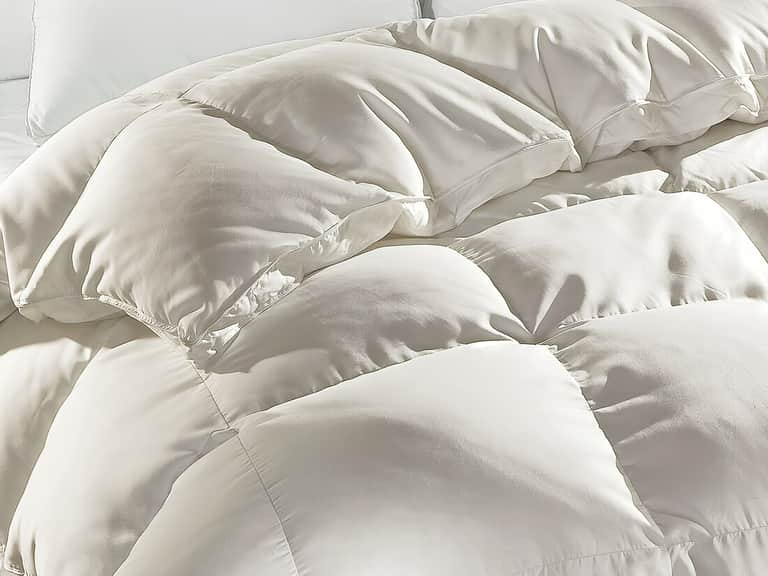
The Clean Bedroom Manhattan Goose Down Comforter exemplifies how design and functionality intersect in comforter construction. Features often include a high-quality goose down fill, a durable outer shell, and a balanced loft that maintains warmth without excessive weight. Functional benefits include lasting insulation, reduced clumping, and consistent thermal comfort.
When selecting comforters for a holistic sleep environment, consider layering with appropriate blankets, sheets, and pillows to optimize temperature regulation and comfort. For households prioritizing organic or natural materials, options like organic crib mattresses and organic bedding accessories may align with broader wellness goals, while maintaining practical care routines.
In educational terms, comforters contribute to sleep quality by providing stable warmth, reducing drafts, and supporting a comfortable microclimate within the bed. Incorporating relevant bedding choices, including pillow and sheet combinations, can improve sleep hygiene and overall room ambiance, making comforters a foundational element of a well-rounded sleep space.
 Bedding