Blankets are layered bedding designed to provide warmth, comfort, and adaptable coverage in bedrooms and other resting spaces. Their role differs from sheets, which protect the mattress and create a smooth sleeping surface, and pillows, which support the head and neck. Understanding these layers helps clarify how each contributes to a complete bedding arrangement.
Blanket characteristics include material, weight, weave, breathability, and ease of care. Wool can provide insulating warmth while helping regulate temperature, whereas lighter fabrics may suit warmer rooms or seasonal use. Choosing appropriate bedding depends on personal comfort, climate, sleep habits, and whether the blanket is intended for a bed, sofa, or another resting area.
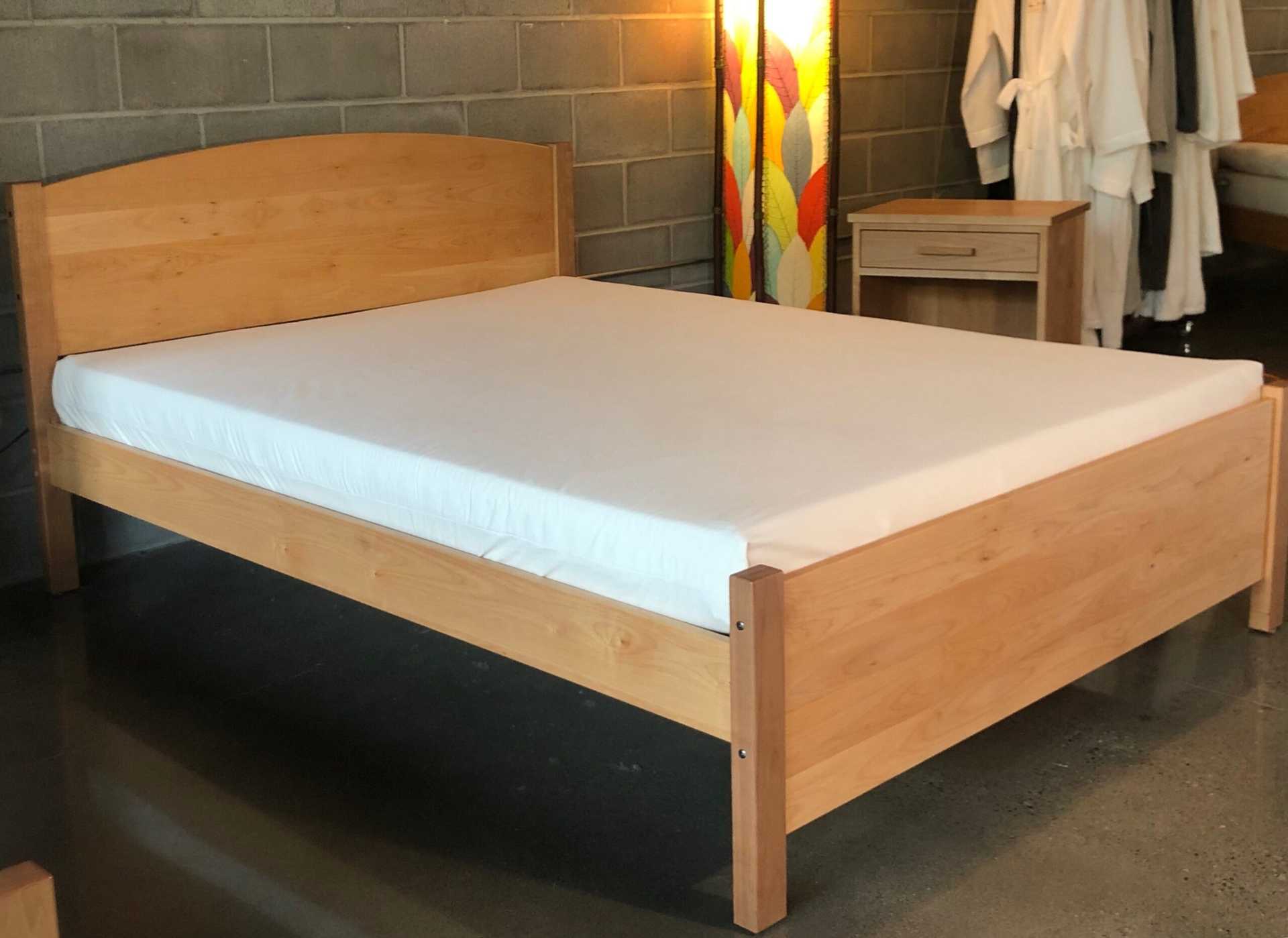
The listed Natural Wool & Latex Mattress 6.5 Inch is a mattress product rather than a blanket. Its natural wool and latex components provide a supportive sleep surface, while the 6.5-inch profile describes its overall thickness. These details may help people evaluating how blankets and other bedding layers fit with a mattress.
Wool in a mattress can contribute natural cushioning and temperature management, while latex is commonly used for resilient support. These functional qualities relate to the sleeping surface beneath blankets, sheets, and pillows. A properly coordinated bedding setup considers mattress dimensions and comfort needs so that layers fit securely and remain practical for everyday use.
Material awareness is also relevant when comparing conventional bedding with options such as organic mattresses and organic crib mattresses. Product labels and specifications can clarify material composition, intended use, and care requirements. For blankets, these details help inform decisions about warmth and maintenance; for mattresses, they explain the construction supporting the bedding above.
 Bedding